
Who We Are
At Life Spring Eye Center, we pride ourselves on being a beacon of excellence in the field of eye care. Our journey began with a vision to redefine eye care standards and make a meaningful difference in the lives of our patients. Here's what sets us apart:
Commitment to Excellence: Our team consists of renowned ophthalmologists and dedicated staff members who are committed to delivering excellence in every aspect of eye care. We strive for perfection in diagnosis, treatment, and patient care.
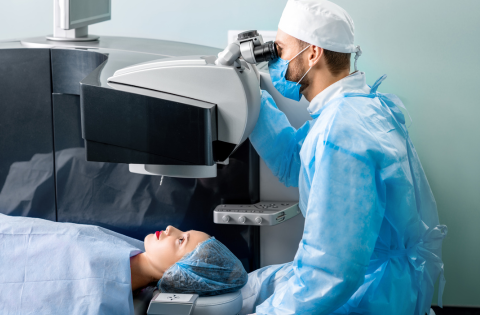
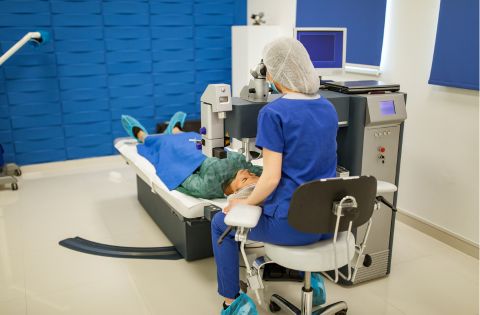
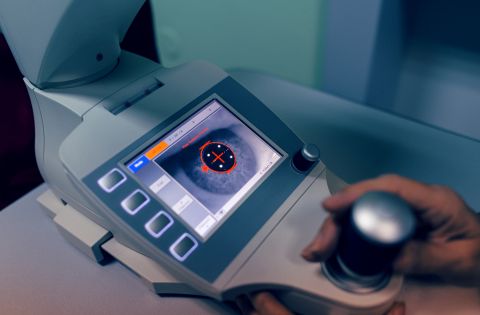
State-of-the-Art Facilities: Equipped with the latest advancements in medical technology, our facility ensures precise diagnosis and effective treatment options for various eye conditions. We continually invest in cutting-edge equipment to provide our patients with the best possible outcomes.



What We Do
At Life Spring Eye Center, we offer a comprehensive range of specialized eye care services designed to meet the diverse needs of our patients. With a focus on precision, expertise, and patient-centered care, we strive to deliver outstanding results that enhance vision and improve quality of life.
01.
— Laser Eye Surgery
Say goodbye to glasses and contacts with our advanced laser eye surgery procedures. Our skilled surgeons utilize state-of-the-art technology to correct refractive errors and help you achieve clear, crisp vision.
02.
— Glaucoma Treatment
Our dedicated team of glaucoma specialists is committed to managing and treating glaucoma effectively. From medication management to surgical interventions, we employ a personalized approach to preserve your vision and prevent further damage.
03.
— Retinal Care
Whether you're dealing with retinal diseases, retinal detachment, or other retinal issues, our experienced retinal specialists are here to help. We offer comprehensive diagnostics, advanced treatments, and compassionate care to protect your retinal health.
04.
— Cataract Surgery
Regain clear vision and improve your quality of life with our state-of-the-art cataract surgery procedures. Our skilled surgeons perform precise cataract removal and lens replacement surgeries to restore clarity and brightness to your vision.
05.
— Comprehensive Eye Exams
Routine eye exams are essential for maintaining optimal eye health and detecting potential issues early. Our comprehensive eye exams include thorough assessments of visual acuity, intraocular pressure, and eye health to ensure early detection and prompt treatment of any concerns.
06.
— Community Outreach
At Life Spring Eye Center, we are dedicated to giving back to the community by promoting eye health awareness and education. Through outreach programs and initiatives, we strive to empower individuals to take proactive steps towards maintaining healthy vision.